Muchinga Eco Industrial City(MEIC) Project
Driving Meaningful Change For A Sustainable Future


The vast forests of Zambia are one of the world's most valuable 'Green Assets.' Through a highly regulated carbon credit scheme, we are implementing a financial mechanism that converts the environmental value of these forests into substantial foreign investment. This capital is strictly dedicated to supporting a major, multi-phased program in Muchinga, focusing on:
EcoShift Capital Ltd, in partnership with the United Kingdom–based TerraYield Advisors Ltd , proposes a strategic collaboration with the Government of Zambia to support the achievement of national and global net-zero carbon emission targets by 2050.
The initiative will initially focus on the protection and sustainable management of underutilised forest lands to reduce carbon emissions while unlocking significant revenue through the generation and sale of forestry-based carbon credits. These revenues will be directed toward funding national development programmes, beginning in Zambia.
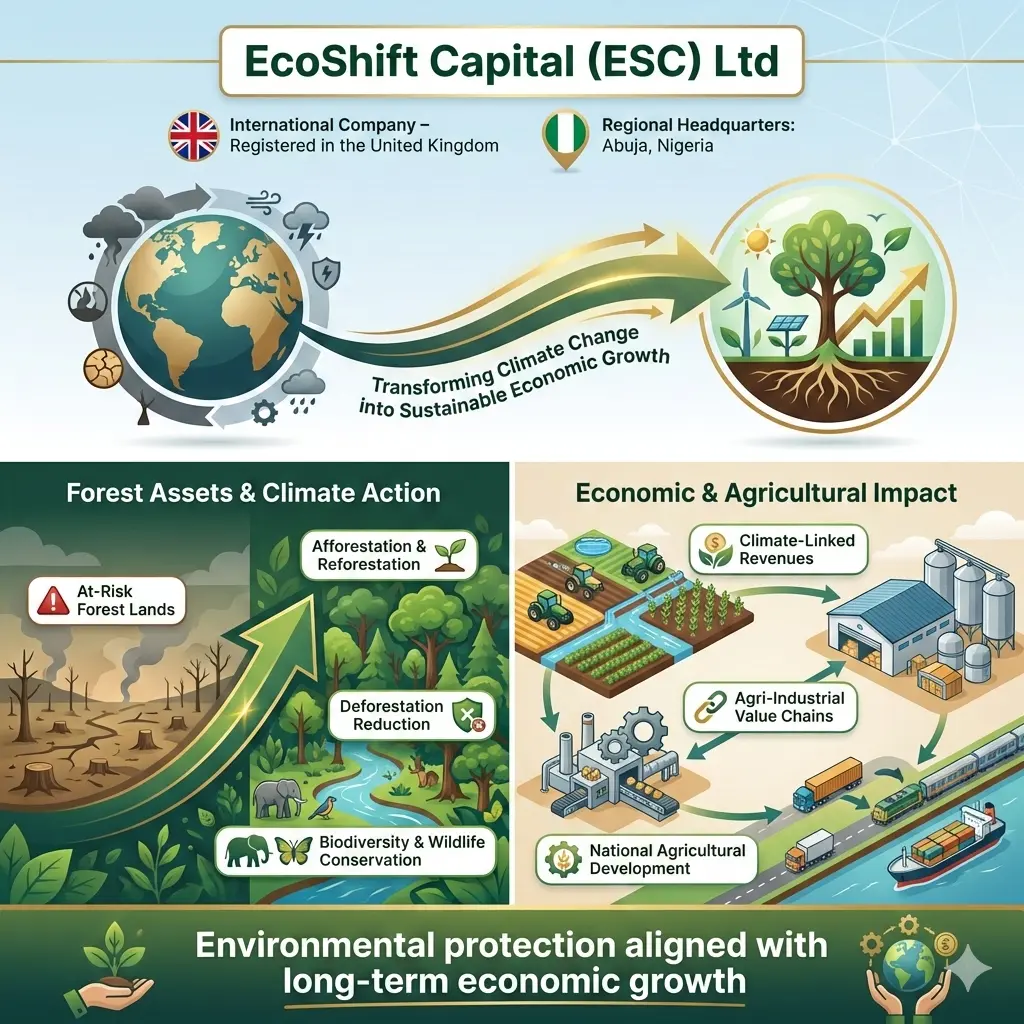
EcoShift Capital(ESC) Ltd is an international company registered in the United Kingdom, with its regional headquarters in Abuja, Nigeria. The company was established to transform the global challenge of climate change into a catalyst for sustainable economic growth.
ESC achieves this by working with at-risk forest lands to generate substantial climate-linked revenues that support national agricultural development and agri-industrial value chains. This approach simultaneously addresses deforestation, promotes afforestation and reforestation, and strengthens wildlife and biodiversity conservation.
Following the commissioning of the Muchinga ECO Industrial City(MEIC), ESC will collaborate with the Zambia Government to develop additional Environmental, Social, and Governance (ESC) initiatives. These projects will be designed to fully comply with international regulatory frameworks, including those established by Gold Standard and Verra, particularly with respect to the transparent and responsible use of carbon revenues.
To address the global challenge of climate change by deploying capital, technology, and expertise into integrated sustainability projects that generate both environmental impact and economic growth. Through disciplined execution and strategic partnerships, we aim to convert climate risk into resilient, profitable infrastructure that benefits communities, investors, and future generations.


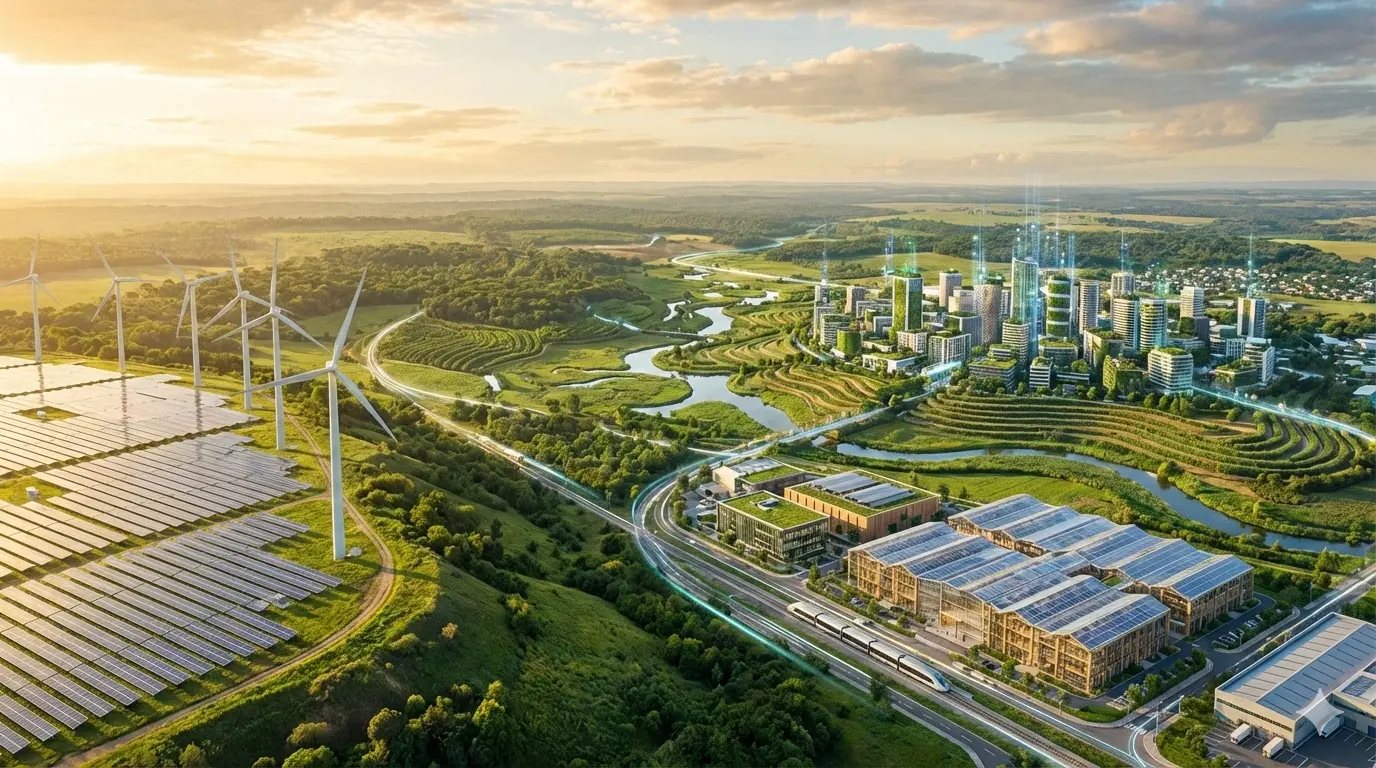
We envision a future where Africa leads the world in climate-aligned development, where sustainable infrastructure underpins industrial growth, food security, energy access, and environmental stewardship. EcoShift Capital seeks to be at the forefront of this transformation, setting a global standard for how climate-conscious investment can unlock productivity, catalyze inclusive economic expansion, and deliver enduring impact.
With more than 40 million hectares of stable forest and extensive arable land, Zambia is recognised as a strategically important global actor in the fight against climate change. These natural assets position the country to play a leading role in carbon sequestration, biodiversity conservation, and climate-resilient development.
Against this backdrop, EcoShift Capital Limited (ESC) has expressed a strong interest in partnering with the Government of Zambia to protect forest ecosystems through carbon sequestration and the responsible monetisation of land-based climate assets. This approach will significantly reduce deforestation, safeguard intact forests, and contribute to a more prosperous and biodiverse future for the region and its people.
ESC’s specialist team will generate substantial climate-linked revenues to be reinvested in high-impact Environmental, Social, and Governance (ESG) initiatives, beginning with the Muchinga Eco Industrial City (MEIC). These interventions will directly support Zambia’s Nationally Determined Contributions (NDCs) and strengthen the country’s resilience to climate change, in full alignment with the objectives of the Paris Agreement.
Our initial spatial and land-use analysis confirms Muchinga Province as a highly suitable location for project implementation. The province encompasses more than 600,000 hectares of forest land, alongside substantial areas of underutilised arable land. This combination positions Muchinga as a strong candidate for large-scale commercial agriculture and domestic food processing, while simultaneously supporting forest conservation objectives.
EcoShift Capital Ltd , in partnership with the United Kingdom–based TerraYield Advisors Ltd , proposes a strategic collaboration with the Government of Zambia to support the achievement of net-zero carbon emissions by 2050 .
The initiative will initially focus on the protection and sustainable management of underutilised forest lands to reduce carbon emissions while unlocking significant economic value. By generating and selling verified forestry-based carbon tokens, the programme is designed to attract international climate finance and channel revenues into national development priorities, beginning with projects in Muchinga Escarpments.
Our carbon sequestration partner, TerraYield Advisors Ltd, is a fully accredited UK-based firm operating in strict compliance with internationally recognised verification standards and methodologies, including Verra, Gold Standard, and CO2 Carbon Standard.
Their operational frameworks exceed the benchmarks required to secure premium market pricing for carbon assets, maximising credit value and revenue potential for clients. This rigorous approach ensures that all green assets are professionally assured, securely managed, and comprehensively insured against potential loss.
Carbon credits and offsets are tools used to measure, reduce, and compensate for greenhouse gas emissions. One carbon credit or offset typically represents the reduction, removal, or avoidance of one tonne of carbon dioxide (or its equivalent) from the atmosphere.
Through these functions, forest lands become measurable climate assets capable of producing verified carbon credits and offsets. These credits can be traded on international carbon markets, unlocking significant and sustainable economic value while contributing meaningfully to Zambia’s climate and development objectives.
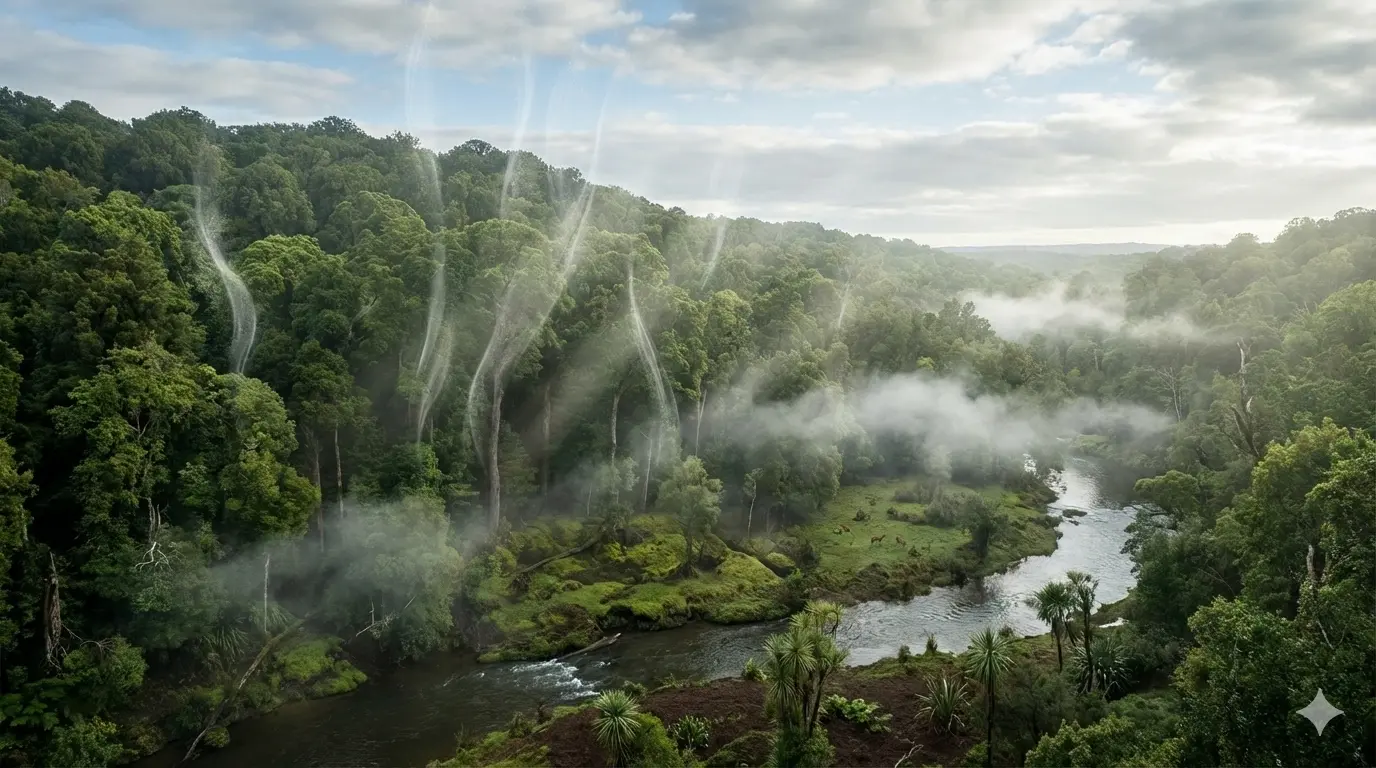
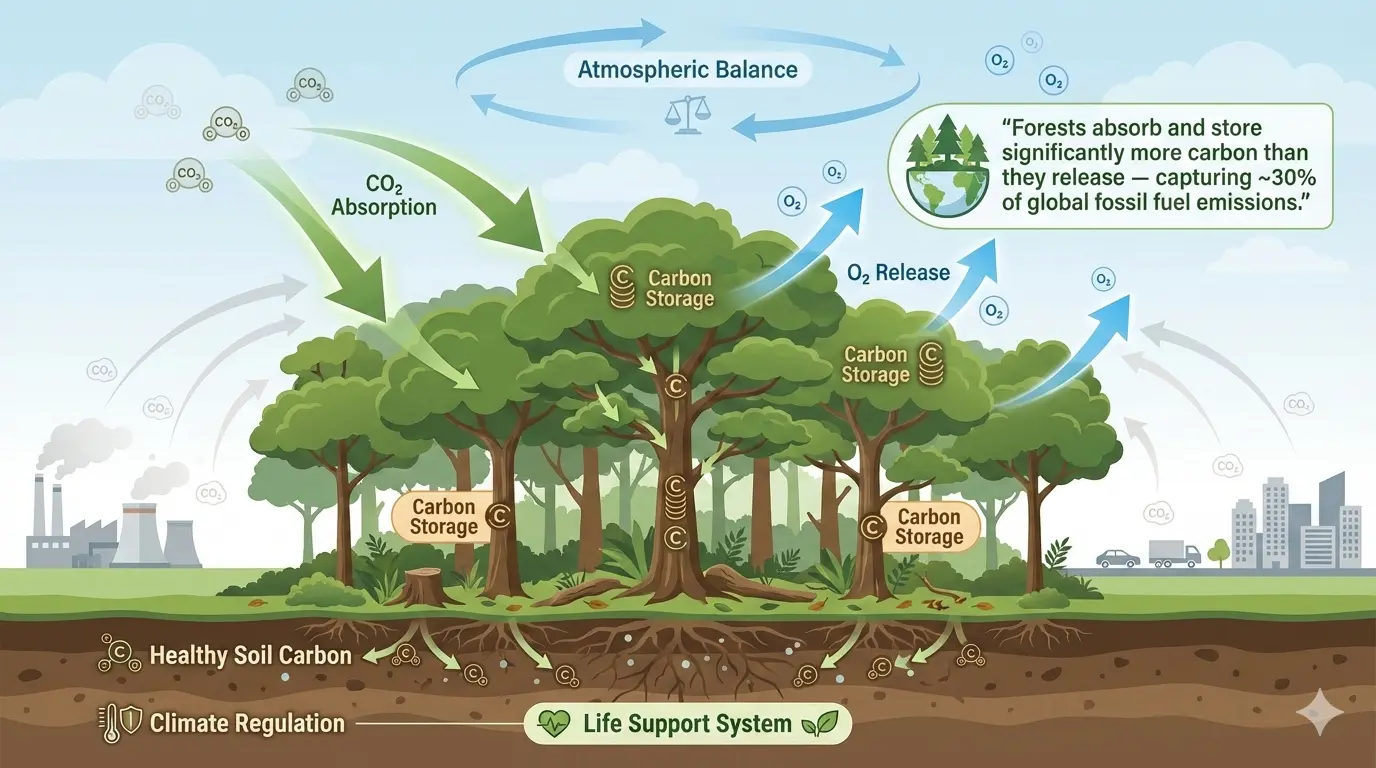
Forests absorb and store significantly more carbon dioxide than they release, capturing an estimated 30% of global emissions produced from the burning of fossil fuels. By absorbing carbon dioxide and releasing oxygen, trees act as the planet’s natural “lungs,” supporting life and maintaining atmospheric balance. Through this natural process, forests help counterbalance emissions generated by industrial activity and manufacturing.
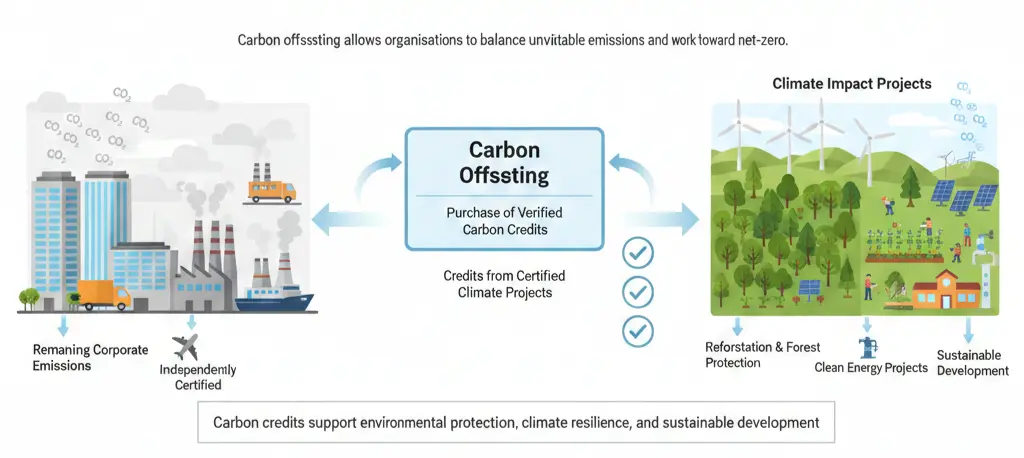
To further address their environmental impact, companies can balance their remaining emissions by purchasing carbon credits from verified climate projects. This process, known as carbon offsetting, enables organisations to work toward net-zero emissions while supporting environmental protection and sustainable development.
Firstly, our team formally identifies, registers, secures, and protects eligible forest areas, deforested land, and—where applicable—underutilised farmland. This process includes legal verification of land tenure, geospatial mapping of boundaries, baseline environmental assessments, and the establishment of long-term protection and management frameworks to prevent degradation, encroachment, or illegal exploitation.
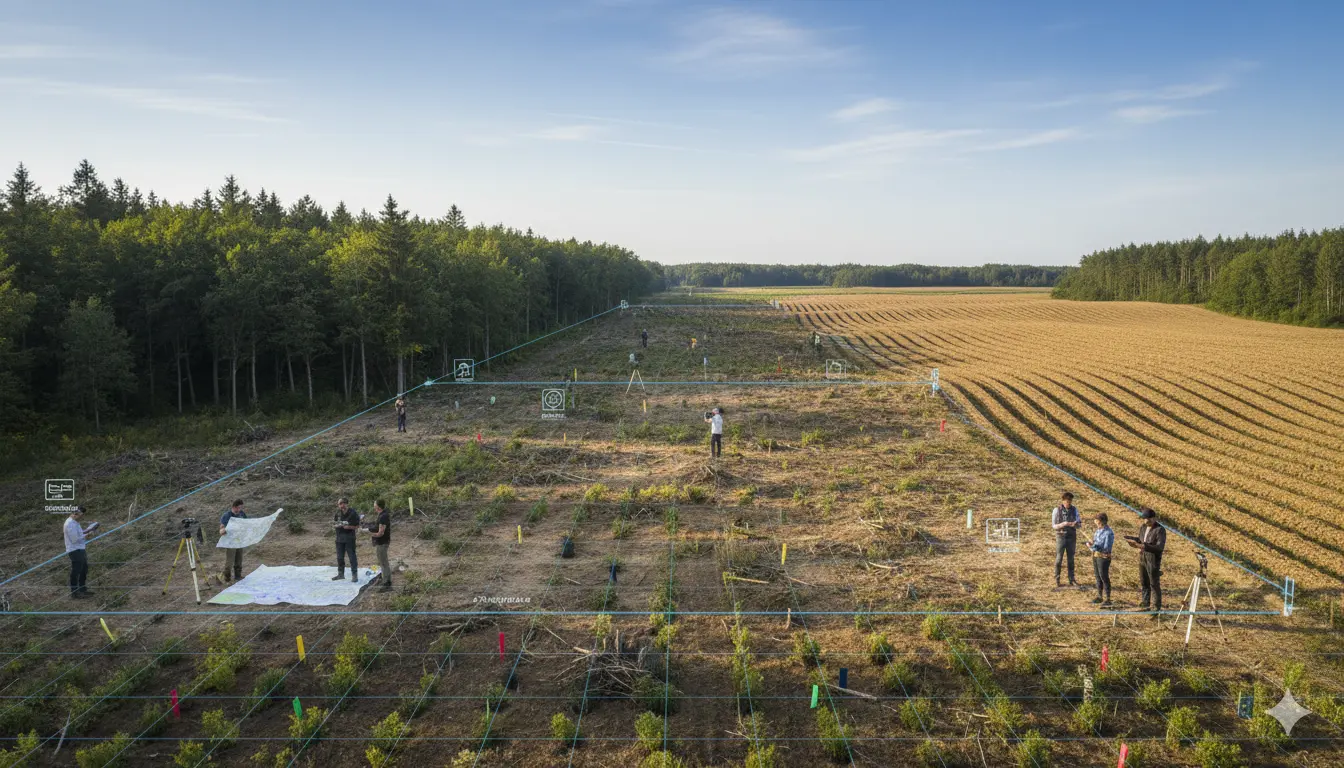

We achieve this by deploying the latest, field-proven technologies to comprehensively survey your forest and land assets. Using high-resolution satellite imagery, LiDAR scanning, drone assessments, and advanced geospatial analytics, we accurately determine current canopy cover, forest density, species composition, carbon sequestration capacity, and overall ecosystem health.
This data is combined with on-ground verification and digital Measurement, Reporting, and Verification (dMRV) systems to establish a robust, auditable baseline that meets international carbon accounting and environmental integrity standards. The result is a precise, transparent, and defensible valuation of your forest’s environmental and financial potential.
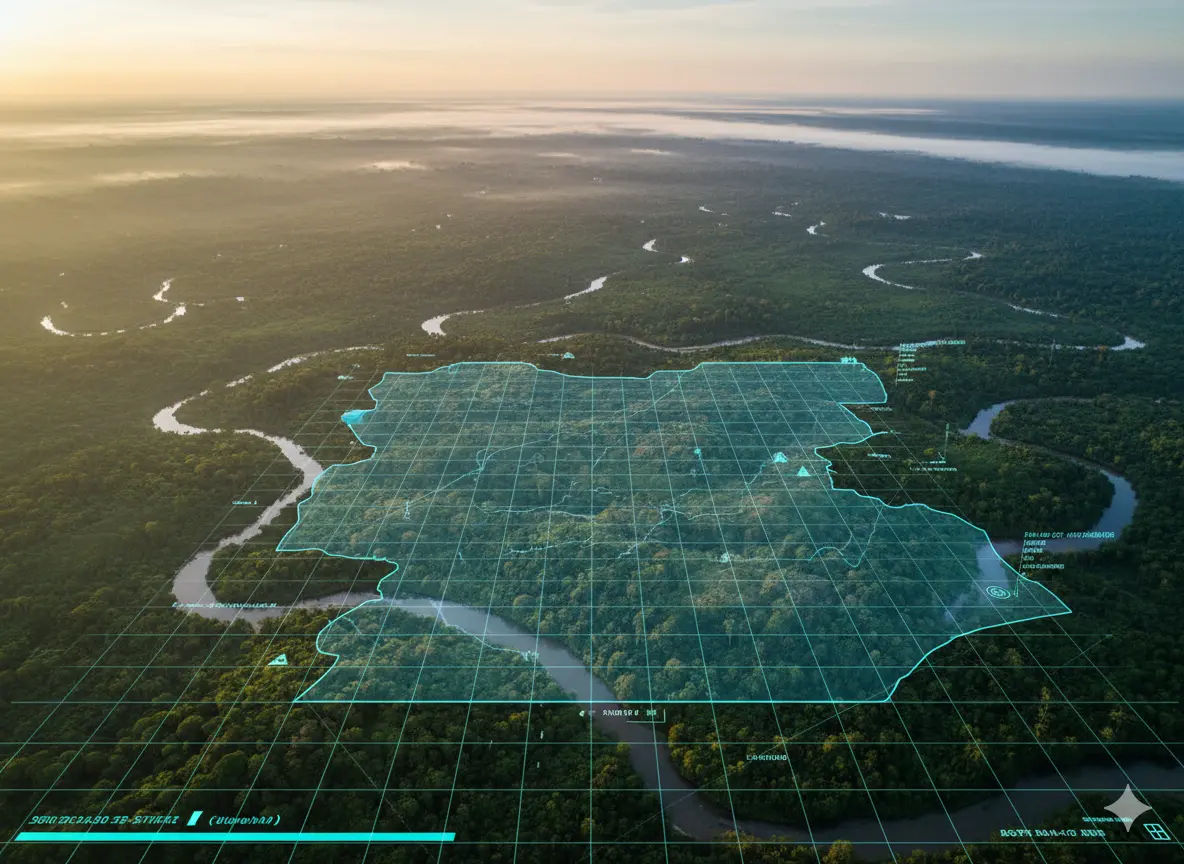





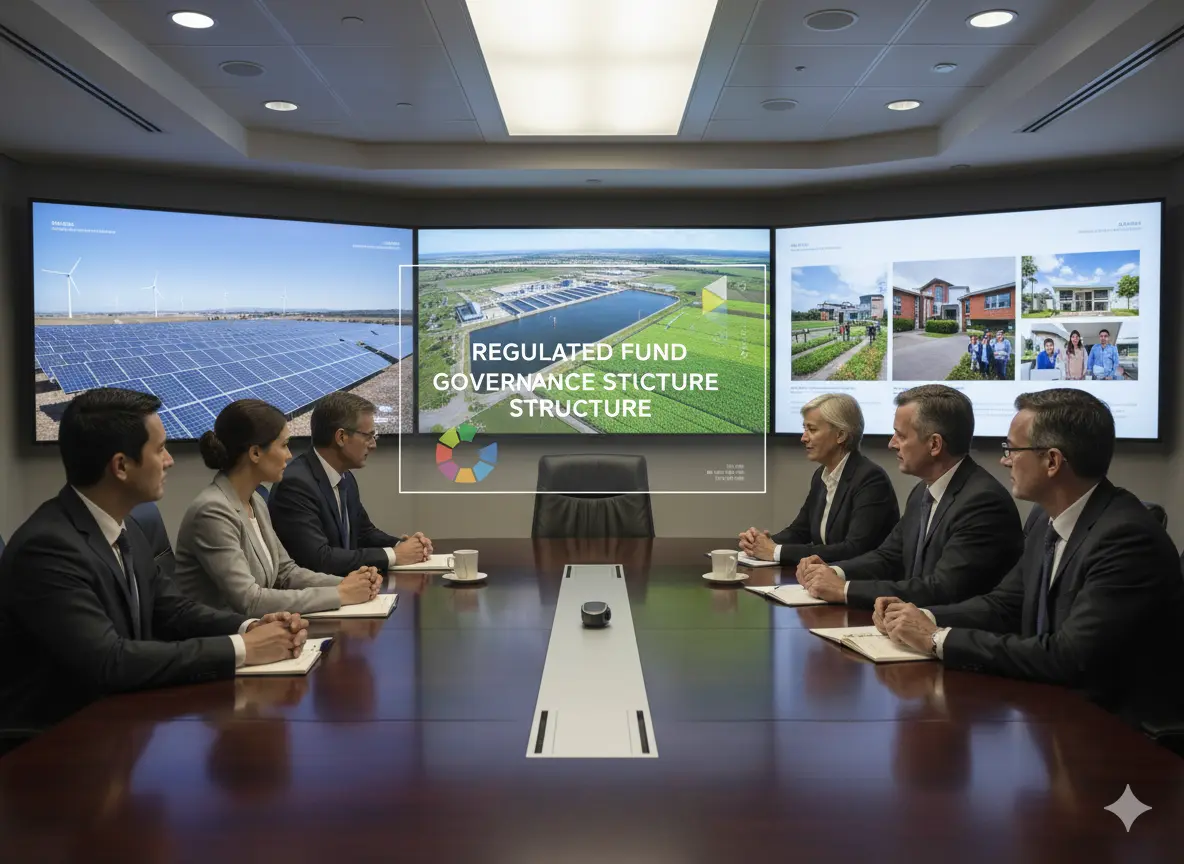
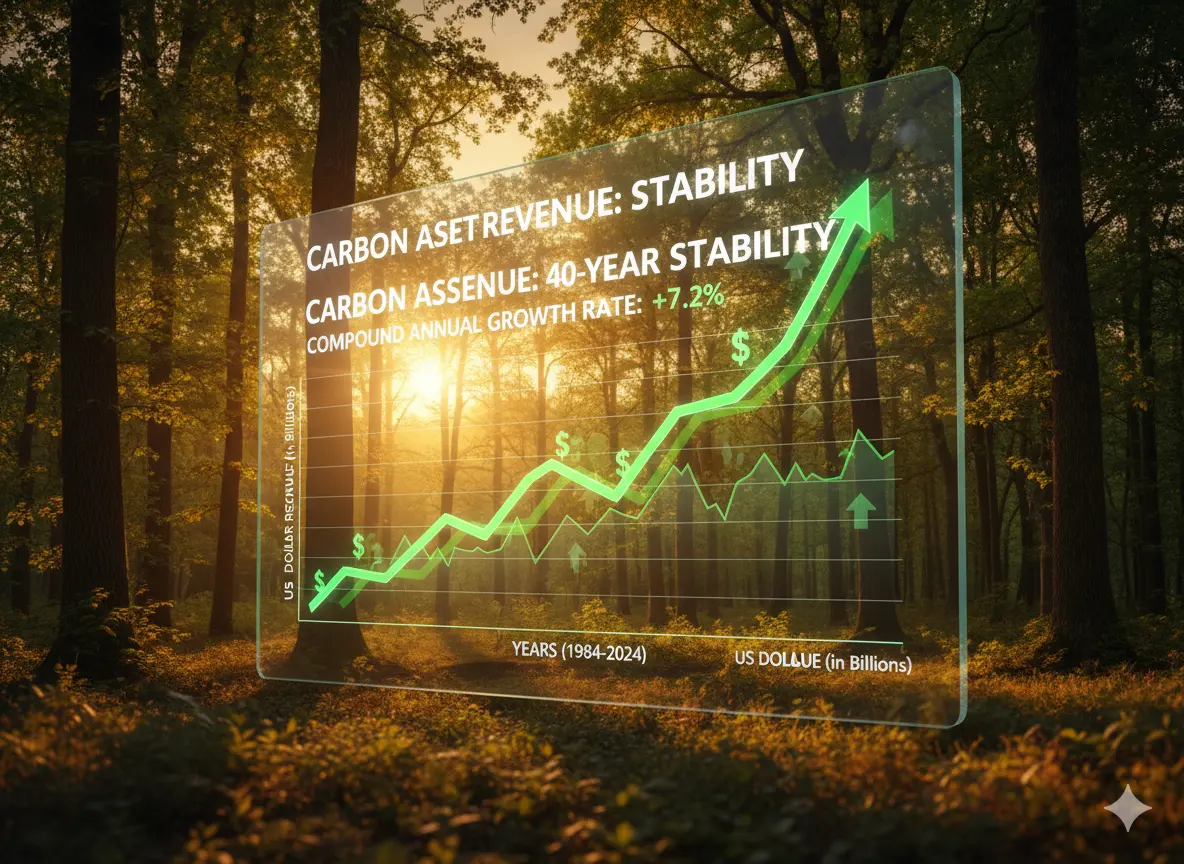
To support this programme, EcoShift Capital Ltd, in collaboration with its carbon sequestration technical partner TerraYield Advisors Ltd, has requested the allocation of 500,000 hectares of at-risk forest land within Muchinga Province. These forests will generate verified carbon revenues and serve as security for a foreign development loan, with full repayment projected within five years .
In addition, the allocation of 100,000 hectares of arable farmland is requested for the initial cultivation of cassava, rice, and maize—selected for their high global demand, productivity, and export potential.
This integrated approach will significantly reduce deforestation, protect Muchinga’s intact forests, and promote biodiversity conservation. At the same time, it will stimulate inclusive economic growth, strengthen food security, and position Zambia as a leading regional player in sustainable agriculture and climate-resilient development.
EcoShift Capital firmly believes that this partnership will play a transformative role in improving livelihoods, enhancing national resilience, and securing a prosperous and biodiverse future for Zambia and its people.
A fundamental component of the MEIC project is our commitment to secure, long-term forest protection while ensuring full retention of land ownership and traditional rights by the Zambia people and local communities.
To unlock the necessary foreign investment that funds the MEIC industrial and agricultural development, our project requires an official agreement with the Zambian government to establish Carbon Sequestration Rights over 500,000 hectares of forest land for a period of 40 years. This duration meets the international criteria required by governing bodies like Verra and Gold Standard to certify the carbon assets and guarantee the project's funding over the long term.
Crucially, this agreement involves only the carbon sequestration rights, NOT the ownership of the land or the trees themselves. The land remains under Zambian ownership.
This means that local communities retain all their existing traditional rights, including the ability to hunt, farm, and utilize non-timber resources such as fruit and medicinal plants within the protected forests.
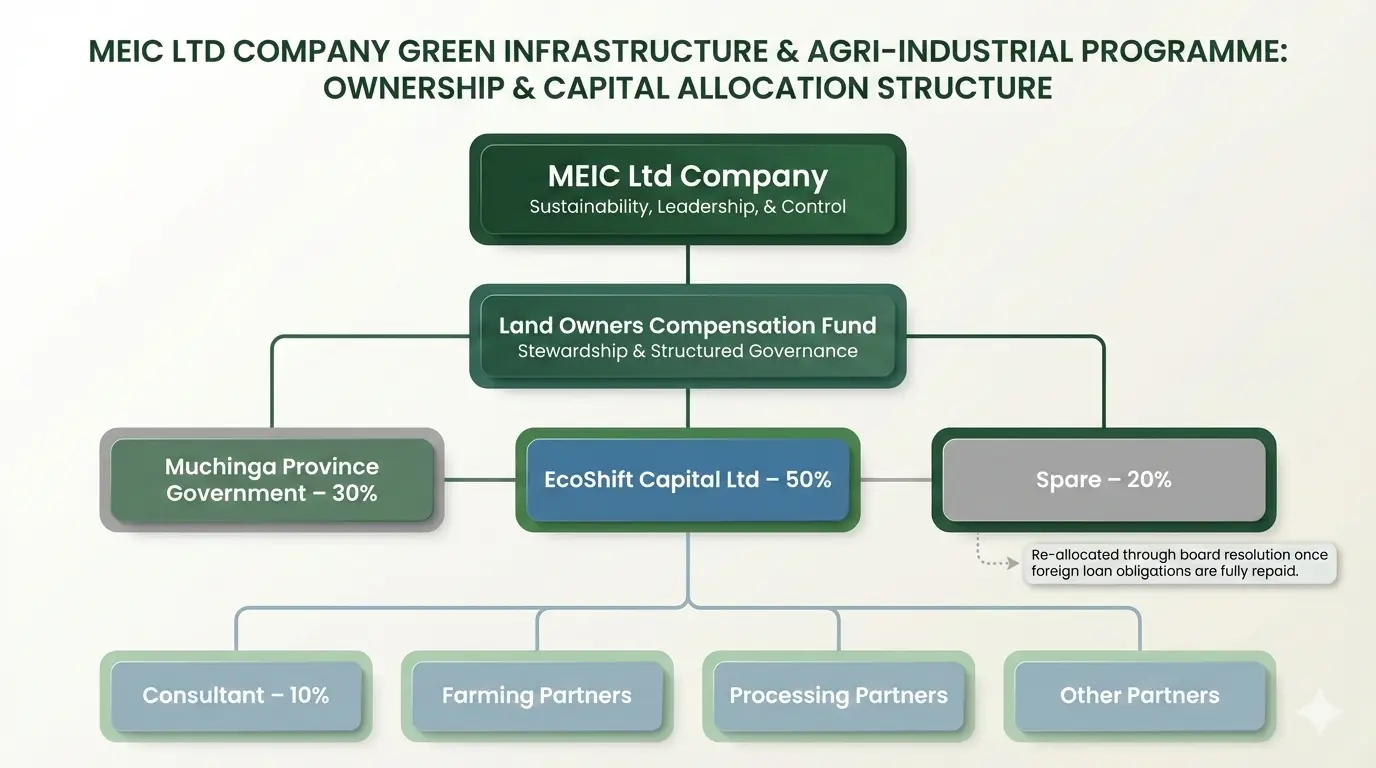
The programme will be implemented as a Public–Private Partnership (PPP) between the Government of Muchinga Province, EcoShift Capital Ltd, and other participating entities as mutually agreed by the parties.
For the MEIC project component, a Limited Liability Company (LLC) will be incorporated in Zambia and will operate in accordance with the laws of the Republic of Zambia. The company’s shareholding structure will be defined to reflect the agreed interests of all participating partners.

EcoShift Capital is proud to announce a strategic partnership with the Government of Muchinga Province, dedicated to unlocking the region's vast agricultural potential. Guided by the Zambia SDG Investor Map 2023–2027 , we are launching a new era of provincial development. Our mission begins with the modernization of agriculture and food processing—turning Muchinga into a hub of sustainable productivity that benefits every citizen.
The Muchinga Provincial Initiative is powered by the environment. By protecting our natural landscapes, we generate revenue through verified carbon sequestration. This innovative funding model allows us to reinvest directly into Muchinga’s agriculture and food sectors. The result is long-term provincial development that is self-sustaining and places no financial burden on the government or the public.
The initiative is designed to deliver broad-based benefits, including poverty reduction through large-scale job creation, the introduction of modern agricultural mechanisation, expansion of domestic food processing, and a structured approach to protecting Zambia’s intact forest ecosystems. Over time, the programme will also support affordable housing, healthcare, education, infrastructure development, and ecotourism.
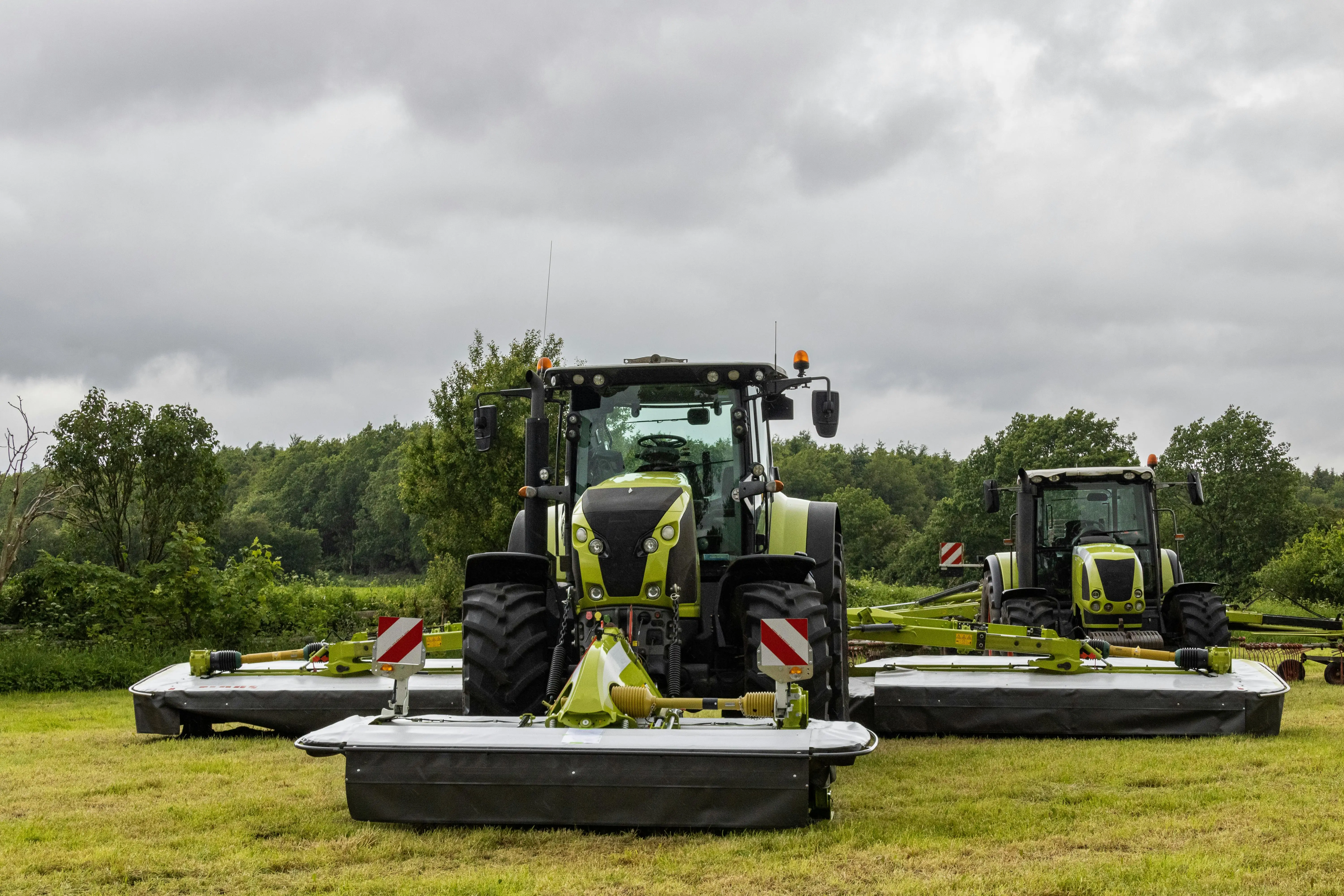
EcoShift Capital Ltd will collaborate with the Zambia Office of Agriculture, Livestock and Fisheries to introduce fully mechanised farming systems. This phase is expected to create more than 5,000 jobs, significantly increase crop yields, improve nutritional outcomes, and reduce raw material costs to consumers by up to 20% .
The programme will establish eleven agri-industrial processing plants, generating additional employment, meeting domestic food demand, and producing export-ready goods capable of generating substantial foreign exchange revenues.
Revenues generated will be reinvested into priority social infrastructure, including mass housing, community healthcare facilities, educational academies, road networks, and the development of ecotourism in collaboration with the Office of Culture, Tourism, Youth, and Sports.
This integrated approach will significantly reduce deforestation, protect Muchinga’s intact forests, and promote biodiversity conservation. At the same time, it will stimulate inclusive economic growth, strengthen food security, and position Zambia as a leading regional player in sustainable agriculture and climate-resilient development.
EcoShift Capital firmly believes that this partnership will play a transformative role in improving livelihoods, enhancing national resilience, and securing a prosperous and biodiverse future for Zambia and its people.
The Muchinga Eco Industrial City will be developed on a 400-hectare site strategically located near designated forest and agricultural lands. The site will be selected to ensure strong connectivity to existing transport infrastructure and reliable access to water resources to support irrigation and industrial operations. The development will include the project headquarters, agri-industrial processing facilities, a mass housing complex, and—where appropriate—tourism-related infrastructure.
As the project expands, provisions will be made to establish or upgrade a local airfield to serve as a cargo hub for processed agricultural commodities. An enhanced railway terminal would further strengthen logistics efficiency and export capacity.
For carbon sequestration activities, eligible forest areas will be selected based on dense canopy coverage to maximise carbon yield and revenue potential. Each forest block will comprise a minimum of 5,000 hectares to ensure scale, efficiency, and long-term viability.
Agricultural operations will be developed on flat, underutilised arable land located close to reliable water sources. Each farming block will cover at least 1,500 hectares , enabling mechanised cultivation and high-output production.
The total estimated development cost for the core project components, excluding mass housing and tourism is USD 745 million . Financing will be arranged by EcoShift Capital Ltd in partnership with its UK-based investors, with all project debt structured and held by Terra Yield Advisors Ltd.
.webp)
| ACTIVITY | MONTHS | ||||||
|---|---|---|---|---|---|---|---|
| 0-18 | 18-30 | 30-42 | 42-54 | 54-66 | 66-78 | 78-90 | |
| CARBON SEQUESTRATION | -- | $ 100m | $ 100m | $ 100m | $ 120m | $ 145m | $ 170m |
| FOREIGN LOAN/ INVESTMENT | $ 150m | $ 450m | -- | -- | -- | -- | -- |
| FOREIGN LOAN REPAYMENT | -- | - $ 15m | - $ 210m | - $ 45m | - $ 495m | -- | -- |
| PROJECT 1&2 CAP/ OPEX | - $ 150m | - $ 450m | -- | -- | -- | -- | -- |
| LAND OWNERS FUND | -- | - $ 10m | - $ 10m | - $ 10m | - $ 12m | - $ 14.5m | - $ 17m |
| FARMING RETURNS | - $ 17m | $ 70m | $ 77m | $ 84m | $ 93m | $ 100m | $ 107m |
| AGRI-PROCESSING RETURNS | -- | -- | $ 452m | $ 474m | $ 498m | $ 500m | $ 500m |
| BALANCE | - $ 17m | $ 128m | $ 437m | $ 740m | $ 544m | $ 874m | $ 834m |
| MASS HOUSING/ OTHER | -- | - $ 50m | - $ 200m | - $ 300m | - $ 400m | - $700m | - $ 700m |
| SHAREHOLDER DIVIDENDS | -- | - $50m | - $ 100m | - $ 100m | - $ 100m | - $ 100m | - $ 100m |
| WORKING CAPITAL | - $ 17m | $ 28m | $ 137m | $ 340m | $ 144m | $ 74m | $ 34m |
| CASH FLOW OPERATING STATEMENT FOR INVESTORS - ZAMBIA | ||||||
|---|---|---|---|---|---|---|
| Based on hA | 500,000 at 3.7% deforestation rate prevention and baseline start in January 2025 | |||||
| 2025 | 2026 | 2027 | 2028 | 2029 | 2030 | |
| CO2 Credit USD/ mt | 45 | 45 | 45 | 55 | 65 | 75 |
| CO2 Sequestration mt (at deforestation rate from UN 3.7% per annum and after mutualinsurance with holding by VVB | 4,000,000 | 4,000,000 | 4,000,000 | 4,000,000 | 4,000,000 | 4,000,000 |
| GROSS REVENUE TO ZAMBIA REGULATED FUND | 99,000,000 | 99,000,000 | 99,000,000 | 121,000,000 | 143,000,000 | 165,000,000 |
The figures presented are projections based on data for Zambia. further precise assurances or guarantees on carbon sequestration rates will be provided on further certification by international recognised methodology and standards. The US$ metric ton prices are based on average values from international analysts such as Bloomberg and JP Morgan.
| MEGIC FARMING ESTIMATES AT YEAR 2 | ||||||
|---|---|---|---|---|---|---|
| CROP | LAND ALLOCATION (hectare) |
HARVESTS (per year) |
ANNUAL FARMING (hectares) |
TOTAL OUTPUT (metric ton) |
SALE PRICE | MEIC GROSS PROFIT |
| Corn Maize | 40,000 | 2 | 80,000 | 400,000 | $350 | $10,000,000 |
| Paddy Rice | 40,000 | 2 | 80,000 | 320,000 | $400 | $28,000,000 |
| Cassava | 20,000 | 1 | 20,000 | 400,000 | $100 | $32,000,000 |
| $70,000,000 | ||||||
| PLANT | INPUT CAPACITY(mt) | OUTPUT CAPACITY(mt) | INVESTMENT | GROSS ANNUAL PROFIT |
|---|---|---|---|---|
| Silo’s/ Drying | 20,000 | 20,000 | $75,000,000 | $5,000,000 |
| Corn Factories (3) Flour, Starch, Oil | 400,000 | 170,000 | $44,000,000 | $81,000,000 |
| Casava (3)Flour, Starch, Chips | 400,000 | 192,000 | $66,000,000 | $30,000,000 |
| Paddy Rice (2)Paddy Rice, Flour | 320,000 | 259,000 | $39,000,000 | $95,000,000 |
| Cocoa(1)Chocolate | 34,500 | 34,600 | $30,000,000 | $159,000,000 |
| Fruit (1)Juice | 70,000 | 105,000 | $44,000,000 | $32,000,000 |
| Potato (1)Frozen | 150,000 | 100,000 | $32,000,000 | $50,000,000 |
| $452,000,000 |
Landowners receive a guaranteed annual payment equivalent to 10% of carbon sequestration revenues , providing a stable and predictable income stream. These funds are dedicated to supporting responsible forest management, including agreed deforestation controls, reforestation and afforestation activities, and the ongoing security and protection of forest lands.
Local communities benefit directly from the implementation of long-term Environmental, Social, and Governance (ESG) projects throughout the full 40-year land lease period . The fund is designed to deliver lasting social and economic value by supporting initiatives that improve livelihoods, strengthen local infrastructure, and promote sustainable development for current and future generations.
We recognise and commend the vital work already being carried out in Zambia to protect and conserve its forest resources. The Zambian Government, in partnership with international conservation organisations, has established protected areas and national parks to preserve the country’s rich biodiversity. These efforts are complemented by initiatives that promote sustainable land-use practices, reforestation, and community-led conservation programmes.
Equally important is the role of local communities and indigenous groups, whose livelihoods, traditions, and cultural heritage are deeply connected to the forests. Their active participation in conservation efforts is central to the long-term protection and sustainable management of these natural resources.





❖ JOB CREATION: 100,000 Jobs Across the Entire Value Chain.
❖ POWER GENERATION: 30MW from Municipal and Agri Waste by Year 5.
❖ FARMING TECHNIQUES: Fully Mechanised.
❖ ROAD INFRACTURE: Farm Roads and Major Arteries.
❖ CO2 FOOTPRINT: Reductions In Carbon Emissions.
❖ BIO-DIVERSITY: Genetic, Species and Ecosystem.
❖ ZAMBIA IGR: Increased Revenue for Federal, County and its Communities.
| ITEM | RISK FACTOR | MITIGATION | EST COST |
|---|---|---|---|
| Rural road network | Not suitable for heavy goods vehicles during wet season | Project to fund the stabilisation of 150km of rural farm access roads | $50,000,000 |
| Power Infrastructure | Majority of rural areas are not connected to the National Grid | MEIC Will be self sufficient for all its energy needs; solar, waste-to-energy | $100,000,000 |
| Health | Inadequate health facilities in rural communities for minor and major surgery | ESC will establish a hospital in Muchinga; Initially 3 operating theatres and outpatients | inc |
| Farming | Lack of experienced farmers and farming methods | EGI to train, certify and implement internationally recognised schedules, methods and techniques | inc |
| Processing | Lack of processing plants and technologies for selected crops | ESC to establish plants with their technical OEM partners | Inc |
| Logistics | Lack of available plant, machinery and vehicles for hire in Zambia | ESC to supply, operate and lease all plant, machinery and vehicles for the project | inc |
| Staff | Accommodation Lack of housing to accommodate employees | EGI to provide accommodation and feeding for all staff as required | Inc |
Forests are under increasing pressure from multiple conservation threats, most notably deforestation driven by agricultural expansion, commercial logging, and urban development. The conversion of forest land into farmland and built environments has led to habitat fragmentation, biodiversity loss, and greater exposure to invasive species.
These challenges are further intensified by illegal logging and unsustainable hunting practices. In addition to reducing forest cover, land conversion accelerates soil erosion, depletes soil fertility, and weakens ecosystem resilience, compounding the long-term environmental and economic impacts.